
Global companies grow with Remote
Your trusted HR partner






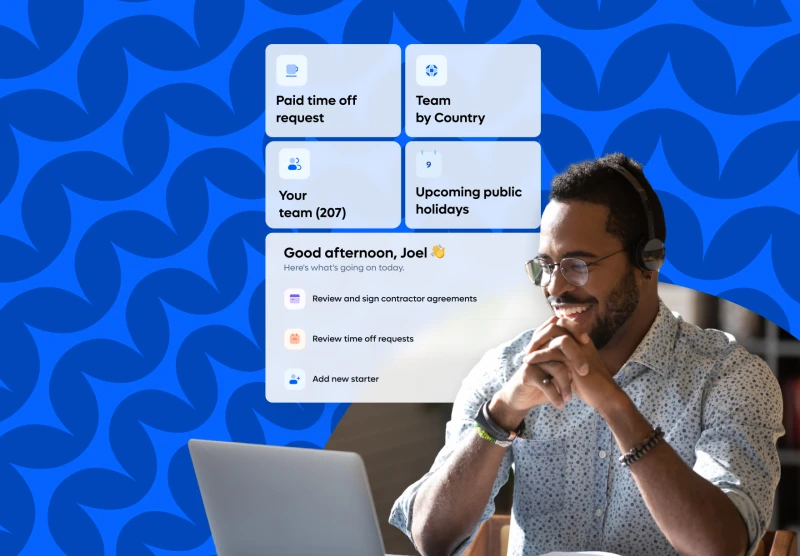
Full-featured online HR software
From onboarding to offboarding and everything in between, you can do it on one centralized human resource management system.
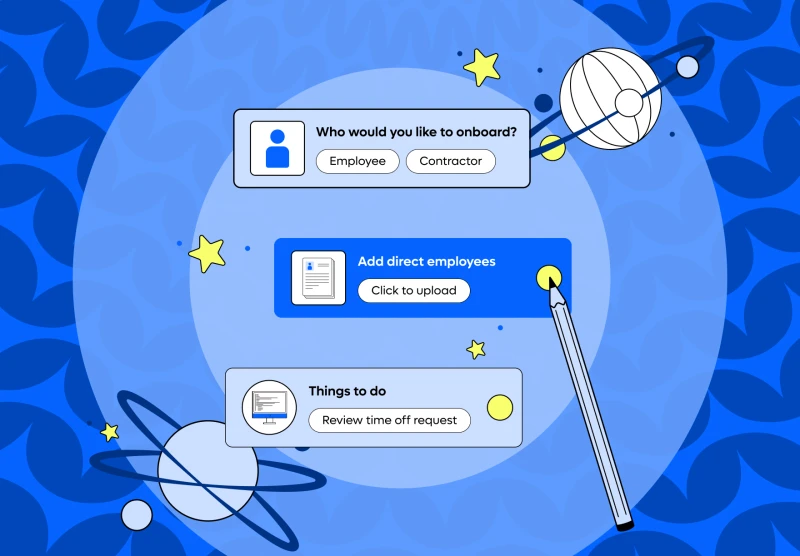
Scale globally at your pace
Whether you have a small team or a global enterprise, we’re ready to help with the tools you need and the features you love.
A platform your team will love
From easy access to documentation to smooth PTO management, your employees can access all their data and documents, change payroll preferences, manage expenses, and more.
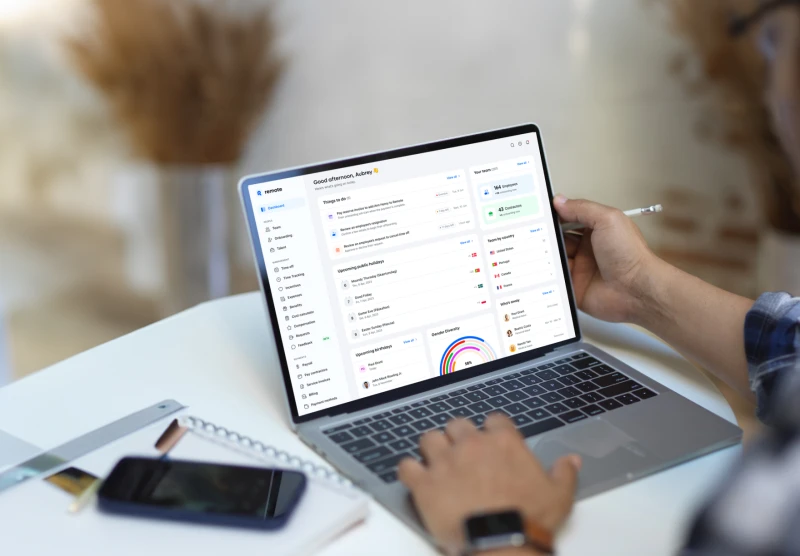
Remote HR management in action
Experience the magic of finishing all your HR work in one tab.
Full-featured online HR software
Our HR software centralizes all your employee data with built-in controls and active monitoring for maximum security. Manage all necessary documents, such as contracts and legal agreements, in one place. Enjoy full integration with our payroll solutions, allowing you to handle payroll and payments efficiently.
Scale globally at your pace
Scale your business globally with ease using our adaptable HR management system. Onboard and offboard employees efficiently and compliantly, track time and attendance accurately for precise payroll, and benefit from transparent, consistent pricing without surprise bills.
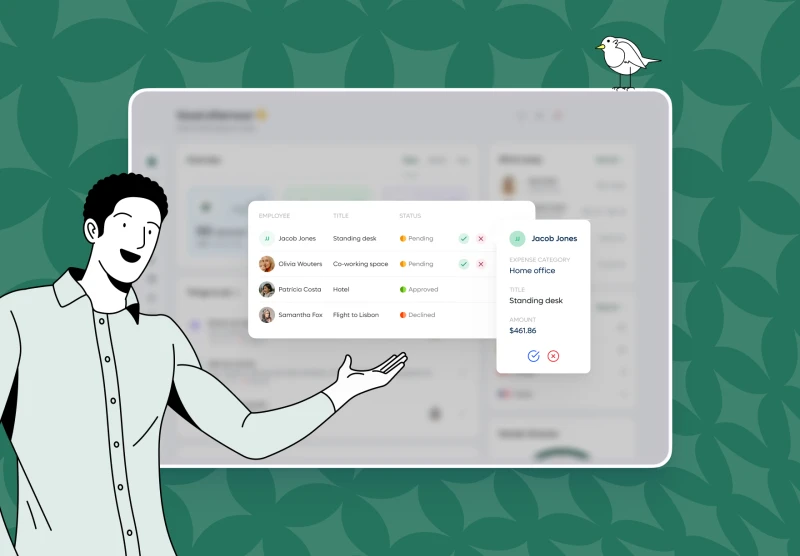
A platform your team will love
Empower your employees with self-service capabilities to access data, manage expenses, and adjust payroll preferences. Our feature-rich mobile app allows them to handle HR tasks on the go, while comprehensive expense management keeps reimbursements and documentation organized.
Always fair pricing
We don’t like hidden fees and third-party add-ons. So we don’t charge any. Our flat-rate pricing plans let you predict your bill with pinpoint accuracy every time.
Top features
Guided onboarding and offboarding
Employee profile and document management
Time and attendance (time off and tracking)
Expense management and reimbursement
Employee self-serve on the platform and mobile app
Expert insights, just one click away
 BlogGlobal HR
Embedded software is the future of HR tech: Make the shift
 BlogGlobal HR
End-of-year planning in Q4 2024 to create a better 2025
 BlogGlobal HR
Hiring crisis: How to bridge the talent gap
 BlogGlobal HR
Foreign tax ID: A guide for employees and contractors
 BlogGlobal HR
The best HRIS for midsize companies
 BlogGlobal HR
What is HR reporting? Benefits, challenges, and examples
 BlogGlobal HR
Why remote jobs are ideal for people with a disability
 BlogGlobal HR
Benefits of hiring remote workers: When global hiring makes sense
 BlogGlobal HR
Check-in questions for meetings: How to get employees to open up
 BlogGlobal HR
A fast, proactive hiring process builds nimble teams
 BlogGlobal HR
Setting the tone: Company-wide agility starts with better HR
 BlogGlobal HR
How to build a competency model
 BlogGlobal HR
How to enable lateral career moves: A manager's guide
 BlogGlobal HR
What is an organizational chart and why is it so important?
 BlogGlobal HR
4 types of organizational structure: Which is best for your company?
 BlogGlobal HR
How to write a good professional resume
 BlogGlobal HR
Addressing talent shortages in Germany, Austria, and Switzerland: What can your business do?
 BlogGlobal HR
Understanding non-disclosure agreements for your employees
 BlogGlobal HR
How to build an inclusive work environment for people with disabilities
 BlogGlobal HR
HR strategy expert guide (benefits & 7 steps)
 BlogGlobal HR
How to optimize your resume for applicant tracking systems (ATS)
 BlogGlobal HR
How to improve your interview process
 BlogGlobal HR
EOR, Payroll, or both: What does your business need?
 BlogGlobal HR
Manage your business expenses with employee expense reports
 BlogGlobal HR
How to prevent and manage work from home burnout
 BlogGlobal HR
HR document management: What it is, examples, benefits, and more
 BlogGlobal HR
HR process automation: Examples, tools, and much more
 BlogGlobal HR
Paid sick and family leave credit: What you need to know
 BlogGlobal HR
A comprehensive guide to maternity leave in the US
 BlogGlobal HR
The different types of HRIS systems: a guide
 BlogGlobal HR
Termination without cause: A guide for US businesses
 BlogGlobal HR
Unconscious bias in the workplace: What is it, examples & how to overcome it
 BlogGlobal HR
How to run a successful meeting
 BlogGlobal HR
Remote recruiting practices: The expert guide
 BlogGlobal HR
How to create a time off request policy that's effective for employees and employers
 BlogGlobal HR
HR compliance: The expert guide
 BlogGlobal HR
Maximizing efficiency and opportunity in internal recruitment
 BlogGlobal HR
Best HR Slack channels for professionals
 BlogGlobal HR
Everything you need to know about global HRIS
 BlogGlobal HR
Your guide to remote employee time tracking
 BlogGlobal HR
How to build a strong culture with a remote team
 BlogGlobal HR
HRIS vs. employee management software: What does your business need?
 BlogGlobal HR
Small business expense tracking software to help your company
 BlogGlobal HR
7 top spend management software
 BlogGlobal HR
How to create an unpaid leave policy for remote employees
 BlogGlobal HR
How to create a healthy work environment for office and remote employees
 BlogGlobal HR
Employee development: Benefits, plans, and trends
 BlogGlobal HR
Paternity leave: A global guide to making it work
 BlogGlobal HR
Pay transparency: meaning, benefits, and best practices
 BlogGlobal HR
Your HR guide to bereavement leave for global companies
 BlogGlobal HR
How to review an employee: Level up your employee review effectively
 BlogGlobal HR
Cross-training employees: Top benefits and best practices to follow
 BlogGlobal HR
The best (and worst) strategies for talent management
 BlogGlobal HR
9 offer letter templates for small businesses
 BlogGlobal HR
How to boost your employees’ productivity
 BlogGlobal HR
Permanent establishment risk: what remote companies should know
 BlogGlobal HR
Interviewing best practices: A complete guide for employers
 BlogGlobal HR
Short-term disability: Definition and how it works
 BlogGlobal HR
Diversity audits: What they are, their benefits, and how they work
 BlogGlobal HR
Employee life cycle: Importance, stages, and more
 BlogGlobal HR
Top 6 best receipt-scanning apps for tracking expenses
 BlogGlobal HR
HR analytics and reporting guide: Definition, benefits, uses, and more
 BlogGlobal HR
Engagement surveys: importance, questions, and more
 BlogGlobal HR
Military leave: Definition and obligations
 BlogGlobal HR
How to deliver negative feedback: benefits, steps, and tips
 BlogGlobal HR
Your guide to the most common challenges and issues in human resources
 BlogGlobal HR
Navigating the complexities of rescinding a job offer
 BlogGlobal HR
How to improve employee turnover using exit interviews
 BlogGlobal HR
What Is international employee verification, and why is it important?
 BlogGlobal HR
Finding the perfect fit: Choosing between part-time and full-time
 BlogGlobal HR
The best mobile time tracking apps for employees
 BlogGlobal HR
Time tracking apps and software systems for freelancers
 BlogGlobal HR
How to create a reproductive healthcare support program for a global team
 BlogGlobal HR
Conflict resolution: Essential tips for HR managers
 BlogGlobal HR
How to handle employee files
 BlogGlobal HR
Advantages of HR cloud software in the workplace
 BlogGlobal HR
7 best project time-tracking software apps and their features
 BlogGlobal HR
HR metrics examples: What to track and how to action the data
 BlogGlobal HR
How to measure the effectiveness of an onboarding strategy
 BlogGlobal HR
Wrongful termination: a guide for employees
 BlogGlobal HR
Termination resources pack for US-based HR professionals
 BlogGlobal HR
How to terminate an employee legally and professionally
 BlogGlobal HR
Employee management software for global teams
 BlogGlobal HR
Out-of-office hours: Which industries offer the best work-life balance?
 BlogGlobal HR
What is global payroll?
 BlogGlobal HR
Permanent establishment risks for a remote workforce
 BlogGlobal HR
Your guide to 6 of the top HR career paths
 BlogGlobal HR
5 steps to an effective recruitment plan template
 BlogGlobal HR
5 successful management strategies for global teams
 BlogGlobal HR
How to manage expenses for remote employees
 BlogGlobal HR
Absence management: Why employees are taking more time off
 BlogGlobal HR
12 remote working contract clauses for employees
 BlogGlobal HR
What is leave management? The best practices you need to know
 BlogGlobal HR
What’s the best HRIS for a small business?
 BlogGlobal HR
HRIS vs. HRMS: Choosing the right HR software for global employment
 BlogGlobal HR
HRIS vs. HCM: what’s best for your global HR needs?
 BlogGlobal HR
Your complete guide to human resource management
 BlogGlobal HR
What’s new with Remote Global HR?
 BlogGlobal HR
Inclusive hiring practices: A complete guide
 BlogGlobal HR
What is an EAP? Everything you need to know
Integrations make Remote even better
We play well with others. Connect Remote to some of the world’s top names in HR and see how good life can be when all your tools work together.
Frequently Asked Questions
Yes, Remote’s HR Management is free to use. You can sign up for a free account — no credit card required — or log in if you already have one. Then you can add and invite your employees one at a time or in bulk.
You have the option to use Remote to process payroll for your employees, onboard and pay contractors, or hire international employees in countries where you don't have a legal entity; this allows you to manage your entire team from a single platform and consolidate your HR data and processes. These complementary products do have a cost associated with them.
If you have your own legal entity in the country where you employ, you can use Remote HR Management for free to add, invite, and manage employees located there. They’ll get free access to their own version of the Remote platform and our employee mobile app to complete key tasks on the go.
If you want to employ in a country where you don’t have a legal entity, you can use Remote Employer of Record to compliantly hire, manage, and pay them for one low, flat price. The best part? You can conveniently manage them in the same platform as your own-entity employees and contractors.
If you’re ready to manage your global team using Remote, you can sign up for a free account — no credit card is required.
After answering some simple questions and verifying your email address, you’ll get access to the Remote platform where you can start adding, inviting, and managing your employees one at a time or in bulk.
If you already have a Remote account, you can log in and use HR Management at any time.
There is no limit to how many employees you can add to Remote.
After you sign up or log in to the Remote platform, you can add your employees one at a time or in bulk from the Onboarding tab.
You’ll be guided every step of the way through the simple add employee flow.
Each employee will receive an email letting them know you’ve invited them to join your company on Remote. They’ll be able to create their own account, get a custom onboarding checklist to complete, and have access to the employee mobile app to complete key tasks on the go.
No, you can add, invite, and manage as many employees as you want to Remote for free. You can do this one employee at a time or via our bulk upload process.
We encourage you to add all your workforce so you can manage them under a single login. This also helps you consolidate your HR data and processes, improving efficiency and providing actionable insights.
Employee profiles (e.g. job, pay, contract details, documents)
Employee mobile app available on iOS and Android
Employee self-serve (e.g. generate employment verification letter, view pay stubs)
Time and attendance (e.g. tracking hours, requesting time off)
Expense management (e.g. travel or home office equipment reimbursements)